What Is Nila? The Ancient Moroccan Beauty Secret Explained
If you’ve spent any time exploring Moroccan beauty ingredients recently, you may have come across a word that stopped you: nila. Unlike argan oil or rose water – which have become globally recognised household names – nila remains something of a well-kept secret outside Morocco and North Africa, despite being used there for centuries.
That’s beginning to change. As consumers increasingly seek out natural, culturally rooted beauty ingredients with genuine efficacy behind them, nila is stepping into the spotlight it has long deserved.
This article explains exactly what nila is, where it comes from, what it does for your skin, and how to use it properly – so you can decide whether this ancient Moroccan tradition belongs in your modern skincare routine.
What Exactly Is Nila?
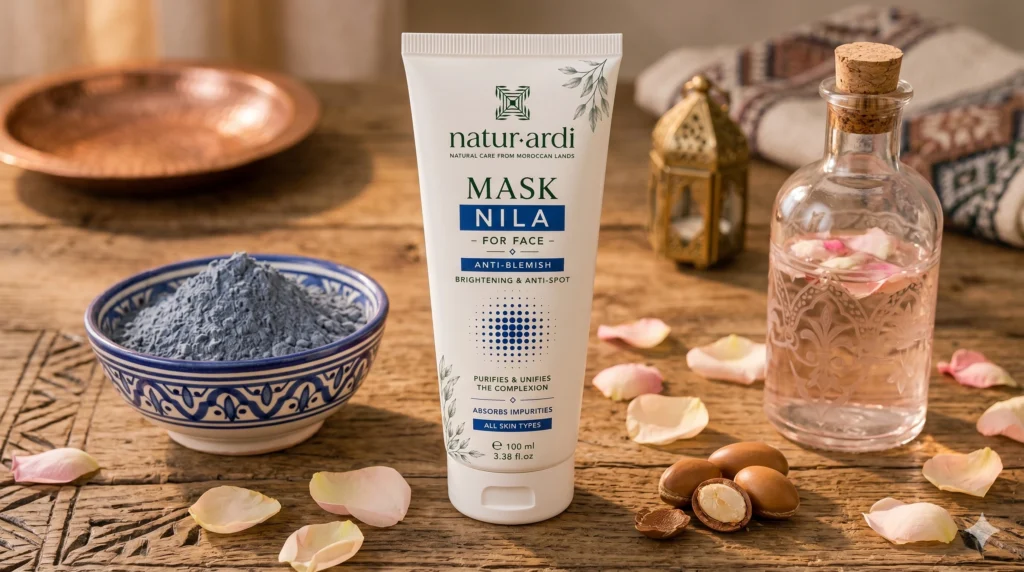
Nila is a natural plant-based powder derived from the indigo plant (Indigofera tinctoria), the same species responsible for the deep blue dye used in traditional Moroccan textiles, including the famous blue robes of the Tuareg people of the Sahara.
In Morocco, nila has historically served a dual purpose: as a textile dye and as a beauty treatment. Moroccan women have long applied nila pastes to the skin, hair, and nails as part of their beauty rituals, particularly in preparation for significant events such as weddings.
The nila used in skincare is typically a naturally derived indigo powder – sometimes combined with other traditional Moroccan ingredients – rather than the chemically synthesised indigo used in industrial dyeing. It has a distinctive blue-grey colour and is used as a face mask by mixing it with water, rose water, or other liquid bases to form a paste.
What Does Nila Do for Your Skin?
Deep Pore Cleansing
One of nila’s most well-regarded properties in traditional Moroccan beauty is its ability to draw impurities from the pores. Applied as a mask, it helps loosen and remove the oxidised sebum, dead cells, and environmental debris that contribute to blackheads, congestion, and dull skin. Regular use leaves pores looking visibly smaller and skin feeling genuinely clean.
Rebalancing Oily and Combination Skin
Nila has natural astringent properties that help tighten the skin’s surface and regulate excess oil production. For those with oily or combination skin who struggle to find balance without using harsh, stripping products, nila provides a natural and gentle solution that leaves skin refreshed rather than depleted.
Brightening and Evening Skin Tone
Traditional Moroccan beauty wisdom has long associated nila with a brighter, more luminous complexion. Anecdotal evidence from generations of use and observations from those incorporating it into modern routines suggest that regular nila masking contributes to a more even skin tone and a natural glow.
Antioxidant Properties
Research into indigo-based compounds has identified antioxidant properties in certain indigotin derivatives. While clinical trials specifically on nila in cosmetic contexts are limited, the broader research on indigo plant compounds supports the possibility of protective antioxidant activity on the skin.
Traditional Antiseptic and Soothing Use
In Moroccan folk medicine, nila has been used topically for its traditionally antiseptic and soothing properties. Many users note reduced redness and calmed irritation after nila masking, consistent with this traditional understanding of the ingredient.
How to Use a Nila Face Mask
Using nila is straightforward, but a few practical tips will help you get the best results:
1. Start with a completely clean face. Remove all makeup and cleanse thoroughly before applying any mask.
2. Mix your nila powder with rose water (for a brightening boost), plain water, or a small amount of honey (for added moisture) to form a smooth paste. The consistency should be spreadable but not runny.
3. Apply a thin, even layer to your face, avoiding the eye area and lips. Some people also apply it to the neck and décolletage.
4. Leave the mask on for 10–15 minutes. You will feel a mild tightening sensation as it dries – this is normal and indicates it is working.
5. Rinse thoroughly with lukewarm water, using gentle circular motions to lightly exfoliate as you rinse.
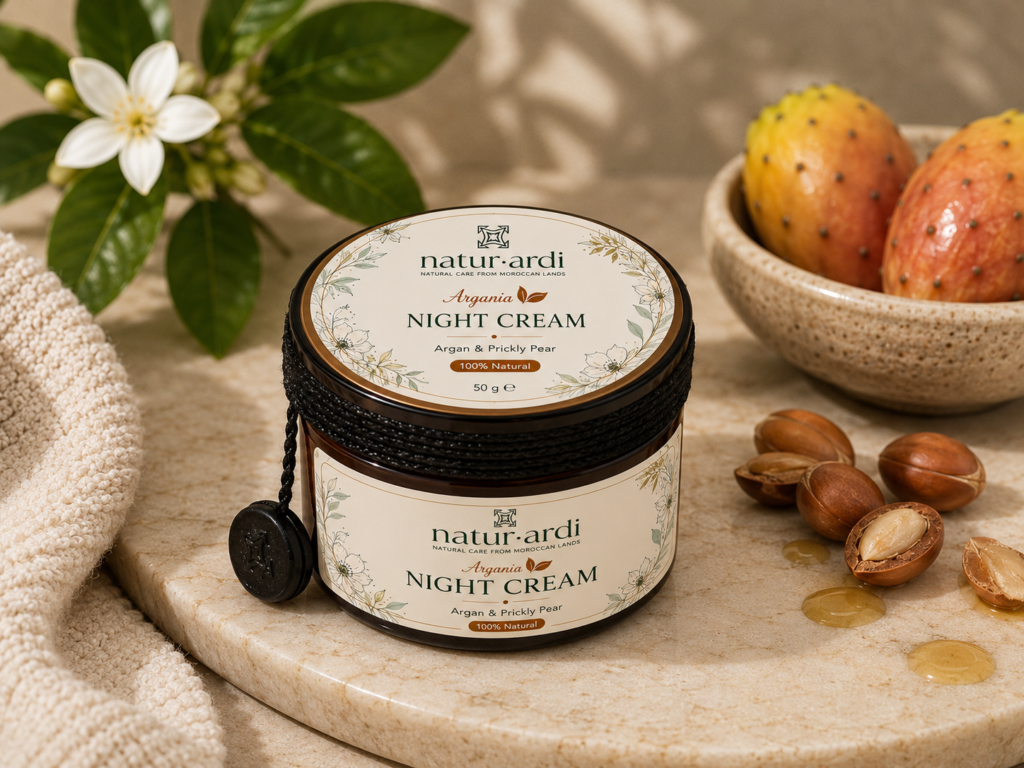
6. Follow immediately with a hydrating toner, serum, or moisturiser such as Natur.ardi’s Argan & Prickly Pear Night Cream if using in the evening.
Frequency: Once or twice per week is sufficient for most skin types.
Is Nila Safe for All Skin Types?
Nila is a natural ingredient with a long history of safe topical use. However, as with any new skincare ingredient, a patch test is recommended before applying it to the full face, particularly for those with very sensitive or reactive skin.
Apply a small amount of the mixed paste to the inside of your wrist or behind your ear. Wait 24 hours. If there is no redness, itching, or irritation, it is safe to proceed with full facial use.
Those with known allergies to indigo or related plant compounds should exercise caution. If in doubt, consult a dermatologist before use.
FAQ: Nila Face Mask
Q: Will nila stain my skin blue?
A: A temporary blue-grey tint may be visible immediately after use, particularly on lighter skin tones, but this rinses off completely with water. It does not stain the skin.
Q: Can nila be used on the body as well as the face?
A: Yes. Moroccan women traditionally use nila on other areas of the body as well, including the hands and feet. The same application method applies.
Q: How long before I see results from using a nila mask?
A: Many users notice improved skin clarity and brightness after just one to two uses. More significant improvements to pore appearance and skin balance typically become noticeable after two to four weeks of weekly use.
Q: Can I use nila mask if I have acne-prone skin?
A: Yes, nila’s astringent and pore-cleansing properties may be particularly beneficial for acne-prone and congested skin. However, always patch-test first and avoid applying to broken or actively inflamed skin.
Q: Is nila the same as indigo powder used for hair?
A: They share the same plant source, but cosmetic-grade nila used in skincare products is specifically formulated for facial use. Always use a product specifically marketed for skincare rather than a hair-dyeing product on your face.
Conclusion: Nila Deserves a Place in Your Modern Skincare Routine
The best skincare ingredients aren’t always the newest ones. Sometimes, the most effective treatments are the ones that have stood the test of centuries of real-world use by real people with real skin.
Nila is one of those ingredients. Rooted in authentic Moroccan tradition, backed by the evidence of generations, and now accessible in a convenient, ready-to-use format, it deserves far wider recognition than it currently receives.
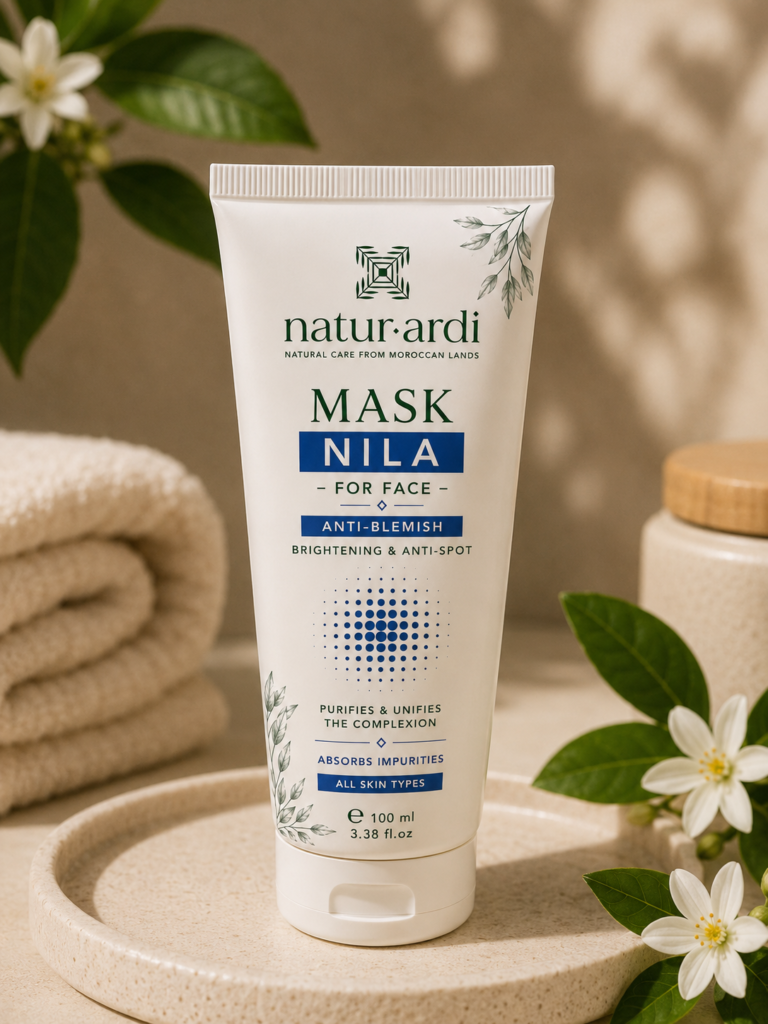
Natur.ardi’s Nila Face Mask preserves the authenticity of this traditional treatment, making it easy for you to incorporate one of Morocco’s oldest beauty secrets into your weekly routine. Try it once and we’re confident you’ll understand exactly why Moroccan women have trusted it for centuries.