Moroccan beauty products are natural skincare, haircare, and body care products made using traditional Moroccan ingredients such as plant oils, mineral clays, and botanical extracts. They are known for their minimal formulations, cultural heritage, and focus on long-term skin and hair health rather than cosmetic concealment.
Moroccan beauty products are rooted in centuries-old self-care traditions from Morocco. These products are created using natural ingredients sourced from the local environment and prepared using traditional methods that prioritise purity and effectiveness.
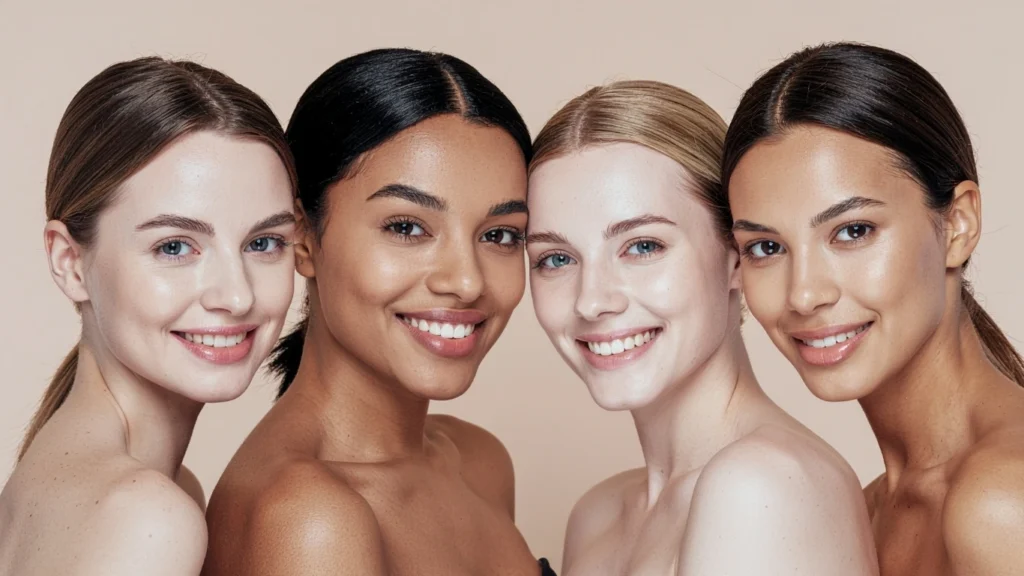
In the UK, Moroccan beauty products have grown in popularity as consumers increasingly seek clean, authentic, and Vegan alternatives to heavily processed cosmetics. Their appeal lies in their simplicity, suitability for sensitive skin, and strong connection to cultural heritage and ethical sourcing.
This guide explains what Moroccan beauty products are, why they are unique, and how UK consumers can use them safely as part of a modern routine.
Origins of Moroccan Beauty Products
Moroccan beauty products originate from traditional beauty and wellness rituals practised for generations in Morocco, particularly within Berber communities, using locally sourced natural ingredients.
Historical background
Long before modern skincare existed, Moroccan communities relied on natural resources to care for their skin and hair. Oils, clays, and herbs were used not for decoration, but for nourishment, cleansing, and protection.
These methods were passed down through generations, forming a holistic beauty philosophy focused on balance and wellbeing.
Cultural significance in Morocco
Beauty in Moroccan culture is closely linked to ritual and self-care. Hammams (traditional bathhouses) play a central role, where deep cleansing and exfoliation are performed as part of regular routines.
Key principles include:
- Periodic deep cleansing
- Gentle exfoliation
- Skin nourishment rather than daily product layering
Role of natural ingredients and rituals
Morocco’s diverse geography provides a rich source of natural materials. Ingredients are traditionally:
- Hand-harvested
- Cold-pressed or sun-dried
- Minimally processed
This preserves their natural properties and effectiveness, supporting clean and Vegan beauty practices.
What Makes Moroccan Beauty Products Unique
Moroccan beauty products are unique because they rely on traditionally prepared natural, ingredients, simple formulations, and methods that prioritise skin health over instant cosmetic results.
Ingredient sourcing
Authentic Moroccan beauty products use ingredients sourced directly from their natural environment. Many are produced through small, community-led cooperatives, ensuring quality and traceability.
Traditional preparation methods
Preparation methods include:
- Cold pressing for oils
- Stone grinding for clays
- Natural drying techniques
These methods help maintain nutrient content and natural texture.
Difference from mass-market skincare
Compared to conventional skincare, Moroccan beauty products typically:
- Contain fewer ingredients
- Avoid synthetic fragrances and fillers
- Support the skin’s natural barrier
This makes them particularly suitable for sensitive or reactive skin and Vegan skincare routines.
Common Types of Moroccan Beauty Products
Common Moroccan beauty products include skincare treatments, hair oils, body cleansers, mineral clays, and natural, Vegan, exfoliants.
Skincare
- Gentle cleansing products
- Facial oils
- Mineral-based masks
Haircare
- Scalp-nourishing oils
- Conditioning treatments
- Protective hair oils
Body care
- Traditional cleansing products
- Deeply moisturising oils
- Exfoliating treatments
Oils, clays, and exfoliants
These form the foundation of most Moroccan beauty routines and are often used together in weekly rituals.
Key Ingredients Used in Moroccan Beauty Products
Moroccan beauty products are made using plant-based, Vegan, oils, botanical extracts, and mineral clays valued for their nourishing and balancing properties.
Natural oils
- Lightweight yet deeply nourishing
- Suitable for face, body, and hair
- Help protect and soften the skin
Botanical extracts
- Derived from herbs and plants
- Known for soothing and revitalising effects
Minerals and clays
- Naturally rich in trace elements
- Help cleanse pores and absorb excess oil
Why Moroccan Beauty Products Are Popular in the UK
Moroccan beauty products are popular in the UK because they suit the climate, support sensitive skin, and align with clean beauty, ethical sourcing, and Vegan trends.
Suitability for UK skin types
The UK climate often causes dryness and sensitivity due to cold weather and indoor heating. Moroccan beauty products help restore moisture without overwhelming the skin.
Demand for natural and authentic beauty
UK consumers increasingly prefer products that offer:
- Ingredient transparency
- Cultural authenticity
- Simple, effective formulations
Clean beauty and ethical sourcing trends
Moroccan beauty products naturally align with clean beauty and Vegan values due to their minimal processing and responsible sourcing practices.
How Moroccan Beauty Products Fit Into a Modern Skincare Routine
Moroccan beauty products fit into modern routines by supporting skin health through gentle daily care and targeted weekly treatments, including Vegan options.
Daily use
- Lightweight oils
- Gentle cleansers
Weekly treatments
- Exfoliation
- Clay masks
- Deep conditioning treatments
Long-term benefits
- Improved hydration
- Better skin texture
- Stronger skin barrier over time
Are Moroccan Beauty Products Suitable for All Skin Types?
Moroccan beauty products can suit most skin types when used correctly, including dry, sensitive, oily, and combination skin, including Vegan formulations.
Dry skin
- Helps replenish moisture
- Reduces dryness and flakiness
Sensitive skin
- Minimal formulations lower irritation risk
Oily and combination skin
- Mineral clays absorb excess oil
- Lightweight oils help balance sebum
Authentic vs Commercial Moroccan Beauty Products
Authentic Moroccan beauty products are traditionally made with pure ingredients, while commercial versions may be diluted or heavily processed.
What “authentic” means
Authenticity involves:
- Genuine Moroccan sourcing
- Traditional preparation methods
- Simple ingredient lists
Risks of mass-produced versions
Some products marketed as Moroccan may:
- Contain very small amounts of key ingredients
- Rely on synthetic additives
Understanding ingredient labels helps consumers make informed choices.
How to Start Using Moroccan Beauty Products Safely
To use Moroccan beauty products safely, start slowly, patch test first, and follow traditional usage guidelines, especially when choosing natural or Vegan products.
Patch testing: Test new products on a small area of skin before full use.
Usage frequency: Avoid overuse; many products are intended for weekly rather than daily application.
Storage and shelf life: Store in cool, dry places and check freshness regularly.
Why Naturardi Focuses on Authentic Moroccan Beauty Products
Naturardi focuses on preserving traditional Moroccan beauty practices while making them suitable for UK consumers. The brand prioritises:
- Authentic sourcing
- Traditional preparation methods
- Clear education over exaggerated claims
This approach supports long-term trust and informed use, including Vegan beauty choices.
Conclusion
Moroccan beauty products are natural, tradition-based skincare and haircare solutions valued for their purity, effectiveness, and cultural heritage, including many naturally Vegan options.
Their popularity in the UK reflects a growing preference for mindful beauty and long-term skin health. By understanding their origins and proper use, consumers can confidently incorporate Moroccan beauty products into modern routines.